The Price of Seriousness: Why We Value What We Pay For
People only take seriously what they have paid for.
This is not about reality—it’s about human nature.
From the moment we exchange money for something—a product, a service, or even an idea—something shifts in our minds. That shift isn’t just transactional; it’s psychological. Payment creates commitment, and commitment demands attention. What comes for free is often treated as disposable—a trial to be abandoned, a gift to be forgotten, an opportunity left unexplored.
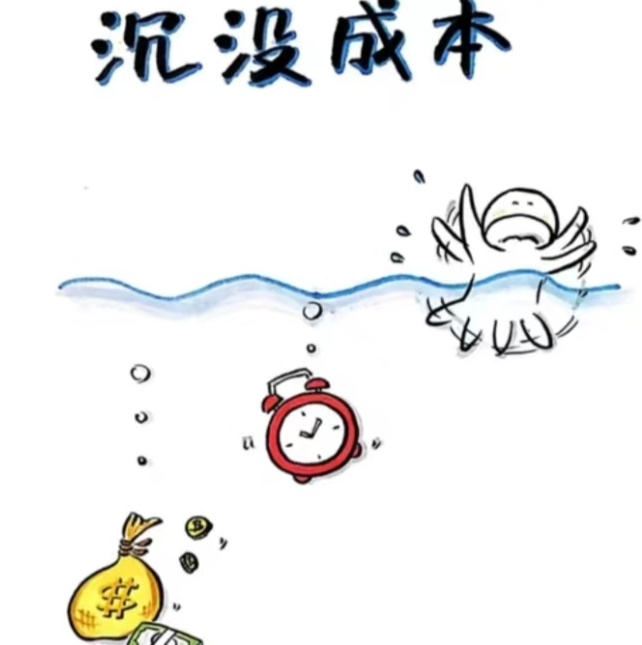
But when we pay, we listen. We engage. We strive to “get our money’s worth.” This isn’t greed—it’s the human tendency to assign value to what costs us something: money, time, or effort. Economists call it the “sunk cost fallacy,” but in everyday life, it’s the quiet engine behind learning, loyalty, and lasting change.

In business, in education, even in personal growth—the principle holds. When you want someone to truly value what you offer, don’t give it away. Instead, let them invest in it. Let their payment be the first step in a journey they’ll feel compelled to finish.
Because in the end, it’s not the price tag we respect.
It’s the part of ourselves we’ve already put on the line.
认真的代价:为什么我们珍视所付出的!
人们只会认真对待自己付过费的东西。
这不是现实---这是人性!
当我们用金钱交换某物——无论是产品、服务,还是一个想法——我们的心态便悄然转变。这种转变不仅是交易性的,更是心理性的。付费创造承诺,而承诺需要专注。
免费得来的东西往往被视为可丢弃的——可被放弃的试用、被遗忘的礼物、未被把握的机会。
但当我们付出代价,我们便开始倾听、参与、并努力“让花的钱值回票价”。这不是贪婪,而是人类的天性:我们习惯为消耗了我们资源的事物赋予价值——无论是金钱、时间还是精力。
经济学家称之为“沉没成本谬误”,但在日常生活中,它是学习、忠诚和持久改变背后的无声引擎。
在商业、教育乃至个人成长中,这一原则始终成立。若你希望他人真正珍视你所提供的,不要免费给予,而是让他们为之投入。让他们的付费成为一段旅程的第一步,一段他们感到必须走完的旅程。
因为最终,我们尊重的不是价签,而是我们已经押上的那一部分自我。